You know that feeling when you’re looking for something specific—maybe the best pizza place nearby or how to fix your laptop—and Google magically shows you exactly what you need? That’s not magic. That’s SEO working behind the scenes.
If you’re a college student dreaming of passive income, a job seeker brushing up on fundamentals, someone ready to freelance, or a small business owner trying to get more customers online, understanding SEO is your golden ticket. And trust me, it’s way simpler than it sounds.
Let me break it down like you’re five years old (well, maybe a smart five-year-old).
The Library Analogy: SEO in the Simplest Terms
Imagine the internet is the world’s biggest library. We’re talking billions and billions of books (websites) on every shelf imaginable. Now, when you walk into this library and ask the librarian (that’s Google, Bing, or any search engine) for “best chocolate chip cookie recipe,” they don’t just give you a random book. They hand you THE BEST book with the most helpful, delicious, tried-and-tested cookie recipe.
But how does the librarian know which book to give you?
That’s where SEO comes in.
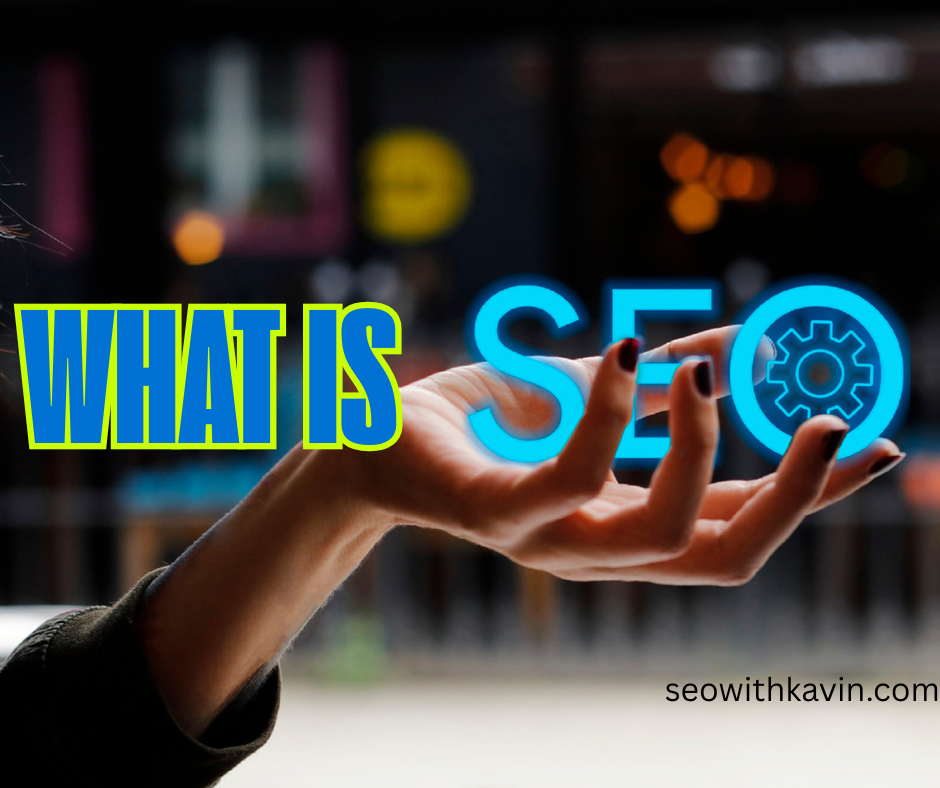
SEO stands for Search Engine Optimization. It’s basically the art and science of making your website (your “book”) so good, so relevant, and so trustworthy that search engines want to recommend it to people searching for what you offer.
In human terms? SEO helps your website show up when people are looking for stuff you can help them with.
Why Should You Care About SEO?
Here’s the thing—over 90% of online experiences begin with a search engine. Whether someone’s looking for “SEO freelancer for hire,” “affordable running shoes,” or “what is SEO,” they’re typing it into Google first.
If your website doesn’t show up on that first page of results, you’re basically invisible. Studies show that the first five results get about 70% of all clicks. By page two? You might as well not exist.
For college students wanting passive income, SEO skills can help you rank blogs, YouTube videos, or affiliate sites that earn money while you sleep. For job seekers, SEO knowledge is one of the most in-demand digital marketing skills right now. For freelancers, businesses will literally pay you to help them get found online. And for business owners, good SEO means more customers without spending a fortune on ads.
Bottom line: SEO is your ticket to getting noticed in the digital world.
The Three Pillars of SEO (Keep It Simple)
SEO isn’t one single thing—it’s more like a three-legged stool. Remove one leg, and everything falls apart. Let’s look at each one.
1. On-Page SEO (What’s ON Your Website)
This is everything you can control directly on your website. Think of it as decorating your book’s cover and organizing its chapters so readers (and search engines) understand what it’s about.
On-page SEO includes:
- Keywords: These are the words people type into search engines. If you’re writing about homemade pizza, you’d naturally use phrases like “easy pizza recipe” or “homemade pizza dough” throughout your content. But here’s the trick—don’t stuff keywords everywhere like a robot. Write naturally, like you’re talking to a friend.
Read more on Keyword research: What Is “Target/Primary Keyword” and Why It Matters in 2025 - Title Tags and Meta Descriptions: These are the headlines and short descriptions that show up in search results. They need to be clear, compelling, and include your main keyword. Think of them as your website’s first impression.
- Content Quality: This is HUGE. Google’s gotten really smart. It can tell when content is helpful, well-researched, and actually answers people’s questions. Long-form content (like this article) tends to rank better because it covers topics in depth. But quality beats quantity every time.
- User Experience: If your website loads slower than a snail, looks terrible on mobile phones, or is confusing to navigate, people will bounce—and Google will notice. Fast, mobile-friendly, easy-to-use websites win.
Read more on Why SEO Content Matters for Enterprise Websites (Even with Paid Campaigns)
2. Off-Page SEO (What Happens OFF Your Website)
This is like your website’s reputation in the neighborhood. The more other reputable websites link back to yours, the more search engines trust you.
Off-page SEO includes:
- Backlinks: When another website links to yours, it’s like getting a vote of confidence. But not all votes are equal. A link from a trusted, authoritative site (think The New York Times or Harvard) carries way more weight than a link from your cousin’s random blog.
- Social Signals: While Google says social media isn’t a direct ranking factor, there’s no denying that content shared widely on platforms like Twitter, LinkedIn, or Instagram tends to get more visibility and links.
- Brand Mentions: Even if sites mention your brand without linking, it builds authority and trust.
Building off-page SEO takes time. It’s about creating content so valuable that others naturally want to reference it.
3. Technical SEO (The Behind-the-Scenes Stuff)
This is where things get a bit nerdy, but stick with me. Technical SEO is about making sure search engines can actually read and understand your website.
Technical SEO includes:
- Site Speed: Google loves fast websites. If yours takes more than 3 seconds to load, you’re losing visitors and rankings.
- Mobile-Friendliness: More than half of all web traffic comes from mobile devices. If your site doesn’t work well on phones, you’re toast.
- SSL Certificate: That little padlock in your browser’s address bar? That’s SSL. It means your site is secure. Google prioritizes secure sites.
- XML Sitemap: This is like a roadmap that tells search engines which pages on your site are important.
- Structured Data: Also called schema markup, this helps search engines understand your content better and can lead to rich snippets in search results (like star ratings or FAQs).
Don’t worry if this sounds overwhelming. Most website platforms like WordPress handle a lot of technical SEO automatically, and there are plugins that make the rest easier.
How Search Engines Actually Work
To really understand what SEO is, you need to know how search engines operate. There are three main steps:
Crawling: Search engines send out bots (called “spiders” or “crawlers”) that browse the web, following links from page to page, discovering new and updated content.
Indexing: Once content is discovered, search engines analyze it and store it in a massive database called the index. They’re essentially cataloging every website they find.
Ranking: When someone searches, the search engine pulls relevant pages from its index and ranks them based on hundreds of factors—relevance, authority, user experience, and more.
Your job with SEO is to make each of these steps as smooth as possible for your website.
SEO Takes Time (But It’s Worth It)
Here’s the reality check: SEO isn’t a get-rich-quick scheme. Unlike paid ads where you can see results immediately, SEO is a long game. It might take 3-6 months (sometimes longer) to see significant results.
But here’s why it’s worth it—once you rank, that traffic keeps coming. It’s like planting a tree. You water it, care for it, and eventually, it grows big enough to provide shade for years. Paid ads? That’s like renting an umbrella. The moment you stop paying, the shade disappears.
For anyone building passive income, freelancing, or growing a business, SEO provides sustainable, long-term results.
Getting Started with SEO: Your First Steps
Ready to dive in? Here’s what you should do:
Learn the basics thoroughly. You’re already doing this by reading articles like this one. Keep going—watch videos, take free courses, experiment with your own website or blog.
Choose your keywords wisely. Use free tools like Google Keyword Planner, Ubersuggest, or AnswerThePublic to find what people are searching for in your niche.
Create genuinely helpful content. Stop thinking “How can I trick Google?” and start thinking “How can I help my audience?” Answer their questions, solve their problems, and be the best resource available.
Build your network. Whether it’s guest posting, collaborating with others, or engaging on social media, building relationships leads to backlinks and authority.
Be patient and consistent. Post regularly, optimize as you learn, and don’t give up after a few weeks. SEO rewards persistence.Free SEO Resources for You: New to SEO? These 7 Guides Will Teach You the Basics (Step by Step!)
The Bottom Line
So, what is SEO? It’s your way of talking to search engines and saying, “Hey, my content is exactly what people are looking for. Send them my way.”
It’s not complicated wizardry. It’s not black magic. It’s understanding what people want, creating valuable content, and making sure search engines can find and trust it.
Whether you’re building a side hustle, landing your dream job, starting a freelance career, or growing your business, SEO is one of the most valuable skills you can learn. And the best part? You can start today, right now, with just the basics.
Welcome to the world of SEO. Trust me, once you get the hang of it, you’ll wonder how you ever managed without it.
About the Author